Retraction Watch and The Open Notebook are thrilled to introduce the first two fellows in our Research Accountability Reporting Fellowship. This program, supported by The Center for Scientific Integrity, equips journalists at local newsrooms to cover issues of scientific integrity, such as misconduct, data manipulation, fraud, and problematic publishing.
Local journalists are uniquely positioned to hold scientific institutions in their coverage areas to account. Investigating wrongdoing in science mirrors traditional investigative work—with a few added skills. Retraction Watch and The Open Notebook have joined forces to train journalists to add research accountability reporting to their repertoire.
As part of this program, we are also offering three free, virtual trainings designed to introduce research accountability reporting as an investigative skill any journalist can hone. Prospective applicants for the reporting fellowship and anyone interested in learning this skill is welcome to attend.
Introducing the Inaugural Research Accountability Reporting Fellows
This six-month fellowship program provides journalists at local newsrooms with one-to-one mentoring support as they investigate a scientific integrity issue centered on research institutions in their region. Newsrooms working with selected fellows will also receive $7,500 to support their reporting project. We are still taking applications and awarding fellowships on a rolling basis.
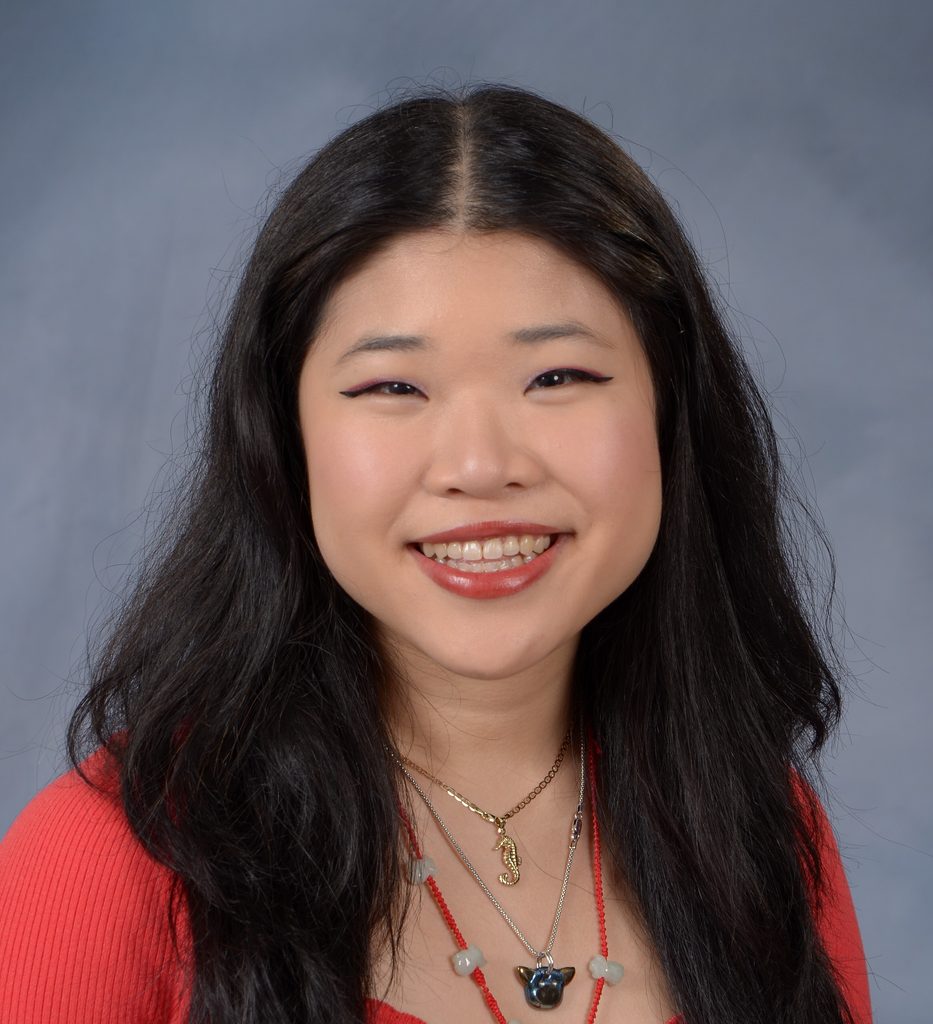
Kayla Yup is a health reporter at the Philadelphia Inquirer, with bylines in the Wall Street Journal, In These Times, The Nation, The Nation’s Health, and The Blade in Toledo, Ohio. She was previously a fellow with the Investigative Reporting Lab at Yale. Kayla’s editor at the Inquirer is Letitia Stein, and her mentor for the fellowship is Retraction Watch co-founder Adam Marcus.
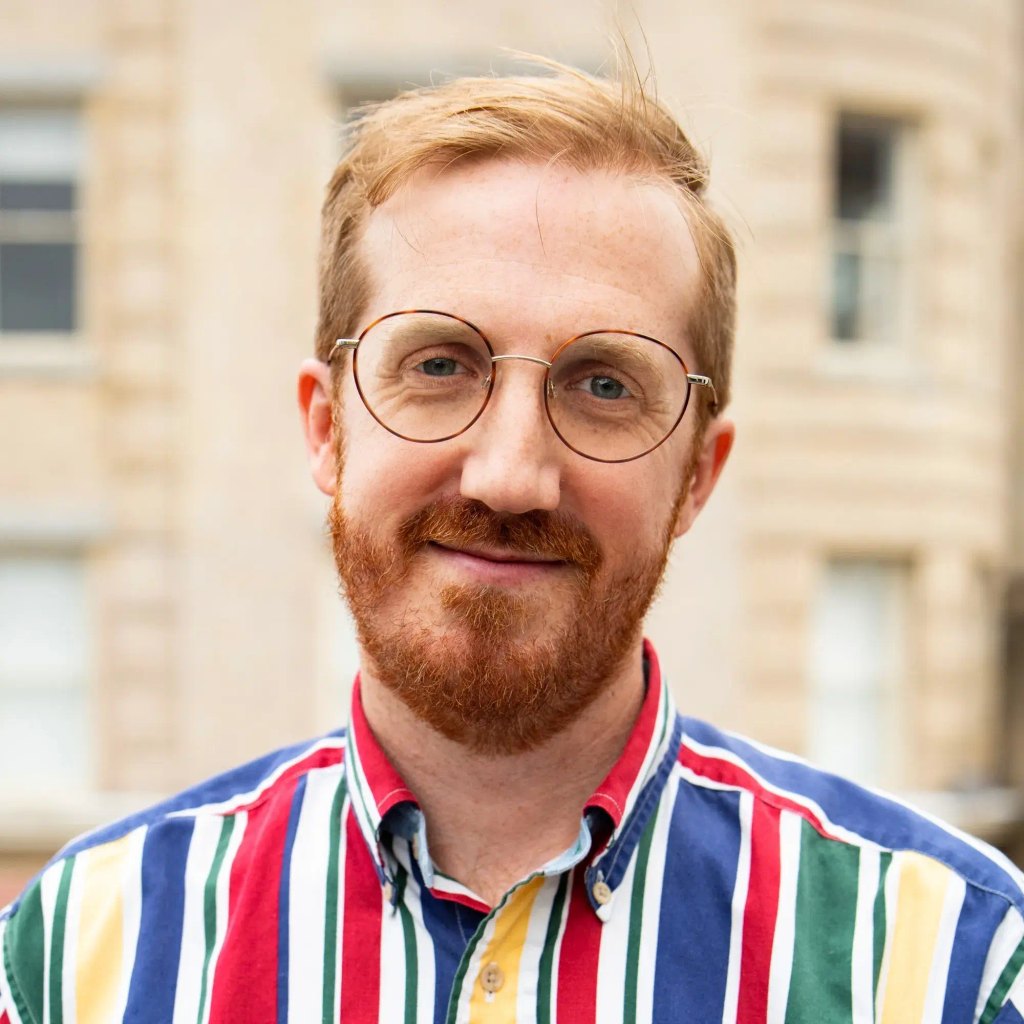
Matt Hartman is a higher education reporter at The Assembly. A longtime freelance journalist who has written for The New Republic, The Ringer, Jacobin, and elsewhere, he also spent nearly a decade working in higher ed communications. Matt’s editor at The Assembly is Emily Stephenson, and his mentors for the fellowship are Retraction Watch co-founder Ivan Oransky and managing editor Kate Travis.
Register for Our Research Accountability Reporting Trainings
Join the new fellows and instructors from Retraction Watch and The Open Notebook for a series of trainings on how to do research accountability reporting. These trainings are free for anyone to attend.
What is Accountability Journalism in Science and Why Does It Matter?
Monday, October 5 at 1:00 p.m. ET
The scientific process is designed to be rigorous and objective, but it’s also an industry with faults and broken systems. Learn how scientific publishing works, including how financial incentives, pressure to publish, and lacking federal regulation can create a ripe environment for misconduct.
Digging into Accountability Stories
Tuesday, October 20 at 2:00 p.m. ET
You get a tip about a researcher manipulating data or you come across a string of retracted papers—now what? Learn how to sniff out an accountability story and what steps to take early in the investigative process. We’ll talk through the online tools databases, and trusted experts available to journalists reporting on scientific integrity.
Anatomy of an Accountability Reporting Project: Following an Investigation from Start to Finish
Wednesday, November 2 at 1:00 p.m. ET
Like any investigative project, research accountability stories can quickly become a tangled web of conflicting reports, public records requests, and elusive sources. Learn how to keep your reporting organized and what to do when you run into obstacles. We’ll also cover best practices for publishing ironclad investigative projects and how to handle harassment. During this training, this year’s fellows will share lessons learned from their own projects.
Interested in Applying for the Fellowship?
Applications are still open for this fellowship. Up to four more fellowships will be awarded on a rolling basis. Any U.S.-based local or regional journalist working on staff or freelancing for a media outlet that has a research university or institution in their coverage area is invited to apply. Participating newsrooms will receive the fellowship stipend to support the fellows’ proposed reporting projects. Applicants must provide a letter of support from a staff editor at the outlet they work for or contract with.
Learn more about the fellowship and apply here: https://retractionwatch.com/fellowship/
Questions?
Please email editors@theopennotebook.com with questions about the fellowship program or upcoming trainings.